

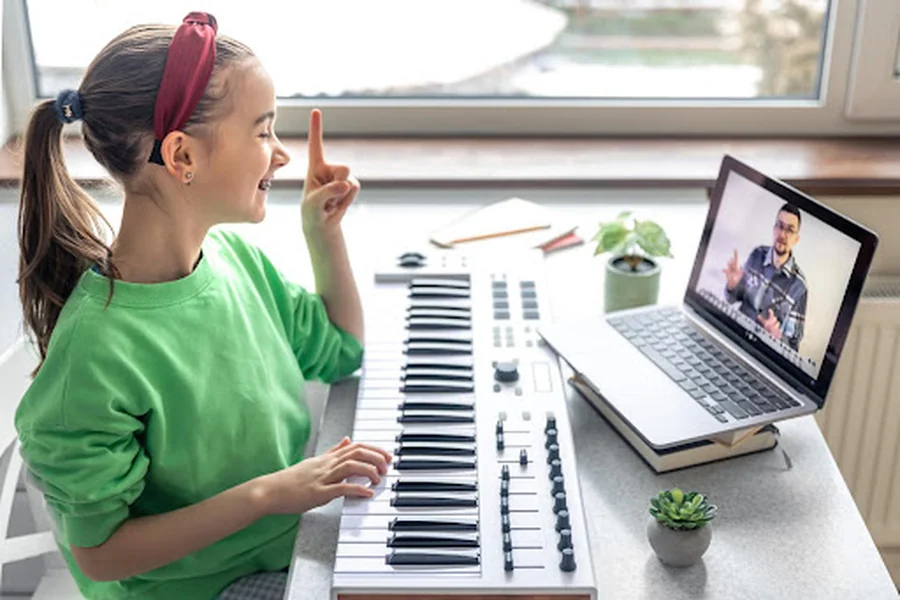
Learning to play the piano is one of the most rewarding musical experiences anyone can have. Yet, the first question every beginner faces is surprisingly practical: should you start with a digital piano or an acoustic piano? Both have their loyal supporters, and both can shape your learning journey in unique ways. Let’s explore their differences, strengths, and the factors that truly matter for modern learners.
The Sound and Feel: Authenticity vs. Innovation
For many musicians, the acoustic piano remains the gold standard. Its wooden keys, natural hammer action, and resonating strings create a sound that feels alive. Every note vibrates differently depending on how hard you press. This dynamic range helps learners develop expressive control early on.
However, digital pianos have made remarkable progress. According to a 2024 Yamaha survey, over 65% of piano teachers now consider high-end digital models suitable for professional-level practice. With advanced sampling and weighted keys that mimic the real thing, digital pianos can closely replicate the acoustic experience—without the need for tuning.
At the amateur level, the difference is unlikely to be noticeable or perceptible. You can easily test this. For example, ask strangers on Callmechat or ask them to compare the same melodies on different instruments. Overall, such a communication tool will be useful for learning. If authenticity is your top priority, the acoustic wins. But if consistency and convenience matter more, digital technology has closed the gap dramatically.
Maintenance and Longevity
What truly separates them often comes down to how you keep them running. We’re talking about the original kind of piano, the one that vibrates real strings to make every note. Keep it running right with a tune-up, two or three times every year. The cost for a single meeting typically ranges from… One price is $80. Another comes in at $150, depending on where you live. Environmental changes, like humidity and temperature, also affect its performance.
Unlike those, digital pianos require practically no service. Forget about adjustments; they just keep working, no matter the weather. Hook it up, switch it on, then enjoy. What’s the catch? Electronic components can wear out or become outdated over time. Still, many digital pianos last well over a decade with proper care.
For busy learners or families, the digital model often wins on practicality and cost efficiency.
Portability and Space
Modern learners often live in apartments or shared spaces. Picture an electronic keyboard that perfectly captures the rich sound of a grand piano. It simply dazzles. You’ll find most of these models come in at a weight of… You’re looking at weights anywhere from 20 to 40 kilograms. Contrast that with an upright acoustic, which frequently commands a considerably higher price. Just 200 kilograms. Just pick it up, pop in your earbuds, and enjoy practicing without making any noise for others.
An acoustic piano, while majestic, demands space. It becomes a permanent fixture in the room. This particular attribute appeals strongly to some, transforming their residence into an intimate auditory retreat. Many can’t make it happen. It’s just too difficult.
If mobility and flexibility are important, the digital piano is the modern solution.
The Price Factor
Budget often dictates the decision. A new acoustic upright piano can cost anywhere from $3,000 to $10,000, while grand models easily exceed $30,000. Even used options require transport and regular maintenance.
Digital pianos, on the other hand, start around $500, with midrange models offering excellent sound and touch quality for under $2,000. This accessibility makes them a favorite among beginners, schools, and casual learners.
Still, serious pianists often view a high-end acoustic as a long-term investment—a family heirloom rather than a gadget.
Practice Experience: Discipline or Convenience?
The acoustic piano demands patience. It’s unforgiving of mistakes but deeply rewarding when mastered. Practicing on one builds strength, precision, and sensitivity. It’s also a reminder of tradition—what generations of musicians have relied on.
Digital pianos, by contrast, cater to the modern rhythm of life. With features like volume control, headphone support, and sound customization, practice becomes easier and more private. You can even switch between piano, organ, or strings, keeping practice fresh and creative.
Environmental and Ethical Considerations
There’s another angle often overlooked: sustainability. Acoustic pianos use wood, metal, and felt, and their production has environmental costs. Digital pianos, while electronic, consume less material overall and can be manufactured more efficiently.
However, e-waste is a growing concern. When digital pianos become obsolete, they’re harder to recycle. Acoustic models, on the other hand, can last for generations with proper care, making them more sustainable long-term.
What Modern Learners Should Choose
There’s no universal winner—only what fits your lifestyle and goals.
- Choose an acoustic piano if:
- You’re serious about mastering classical performance.
- You want to develop strong finger technique and sound sensitivity.
- You have the space, budget, and environment for a full-sized instrument.
- Choose a digital piano if:
- You value portability, convenience, and tech integration.
- You live in an apartment or need silent practice options.
- You’re just beginning and want an affordable, low-maintenance start.
The Final Note
The world of music is evolving, and so are the instruments we learn on. Digital pianos make learning accessible to millions who once couldn’t afford or accommodate an acoustic. At the same time, the acoustic piano remains a timeless symbol of musical artistry and craftsmanship.
It’s not about wires or code; it’s about what truly makes you want to keep practicing. Whether digital or acoustic, the magic begins when your fingers touch the keys and your mind connects to the music.