

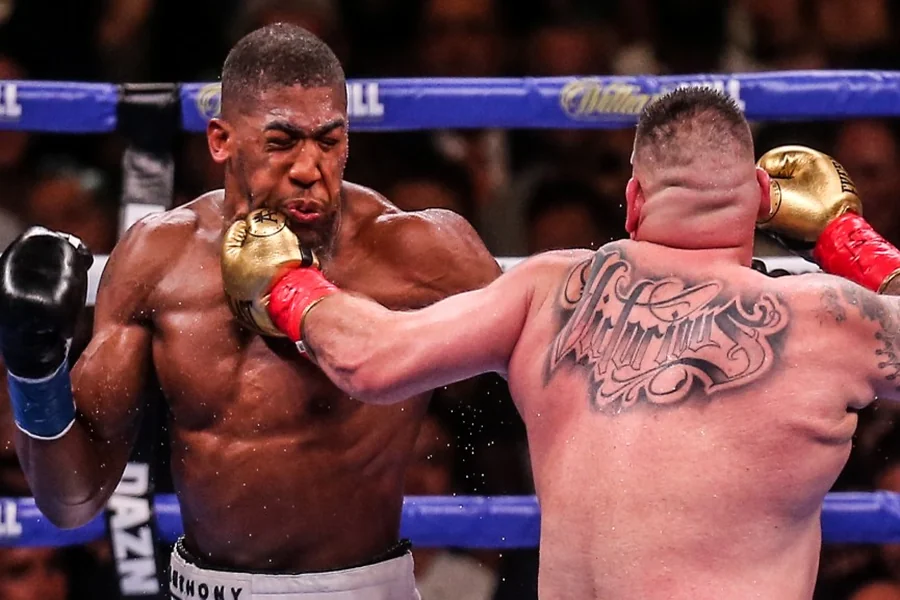
In recent years, boxing broadcasters have made meaningful strides in battling illegal streaming — though the fight is neither simple nor fully won. As piracy continues to erode revenues, rights holders are deploying a mix of legal, technological, and industry-wide strategies to reclaim control.
The Stakes Are High
Boxing is especially exposed to piracy because many of its marquee events happen on pay-per-view (PPV), making them lucrative targets for pirates. Broadcasters argue that every illegal stream not only cuts into their revenues but also harms the entire boxing ecosystem — from the promoters and broadcasters to the boxers themselves.
One of the key players in this anti-piracy battle is DAZN. Broadcasters like DAZN are increasingly focused on shutting down unauthorized streams, a mission they’ve reinforced by joining major industry coalitions. Notably, DAZN is working through the Alliance for Creativity and Entertainment (ACE), which launched a Sports Piracy Task Force to coordinate global efforts.
Legal Wins and Blocking Strategies
One of the most concrete signs that boxing broadcasters are pushing back came in 2025, when DAZN secured a court order in Belgium. The Brussels Enterprise Court required ISPs and public DNS operators to block more than 130 pirate domain names and five illegal IPTV services, with non-compliance leading to fines of €100,000 per day.
That order also targeted major tech intermediaries: Cloudflare, Google, and Cisco were ordered to disable DNS access to infringing domains. This kind of dynamic blocking is powerful because it can adapt to mirror sites and new domain names as they appear.
Broadcasters are also enforcing rights through promotions: Matchroom Boxing, for example, obtained a blocking order in the UK requiring major ISPs to prevent access to servers streaming its live boxing events.
Technology in the Ring
Legal action is only part of the strategy. Broadcasters are also investing in advanced anti-piracy technology to catch and close down illegal streams more proactively.
DAZN has formed a partnership with Videocites, using its AI-powered content recognition tools to scan social media platforms for pirated live streams. According to the companies, DAZN is now able to detect and remove around 98% of detected unauthorized social media streams within minutes.
This rapid detection matters: by disrupting the viewing experience of pirate streams, broadcasters make illegal options less attractive and encourage fans to choose legal platforms instead.
The Challenges Remain
Despite these encouraging developments, the battle against piracy is far from straightforward. There are several substantial obstacles:
Global Reach of Pirates
Court orders in one country do not automatically apply elsewhere. Pirate networks often operate across borders, making full global enforcement difficult.
Speed and Adaptability
New pirate domain names and streaming services pop up constantly. Even with dynamic blocking, rights holders are in a continuous game of whack-a-mole.
Cost of Technology
Real-time detection, AI-based takedowns, and legal campaigns come with big costs. Smaller broadcasters may struggle to match the investment that DAZN and other global players are making.
Consumer Behavior
Some fans pirate simply because they are used to it, or because legal options are fragmented and expensive. Broadcasters must find ways to make their offer more compelling — not just safer, but also more affordable and user-friendly.
Infrastructure Cooperation
Blocking domains often requires ISPs, DNS services, and tech companies to cooperate. Negotiating these partnerships—and enforcing compliance—is complex and resource-intensive.
Sustaining Momentum
Legal victories, like the Belgium order, are important, but they must be maintained. Piracy operations do not always stay offline permanently; they can reappear under new guises if enforcement wanes.
What Plans Are Under Way?
Broadcasters are thinking more strategically. DAZN’s alliance with ACE is a key part of that: it allows cross-industry cooperation, pooling of resources, and shared intelligence.
Meanwhile, broadcasters are exploring smarter business models. Rather than relying solely on PPV, they are looking at more flexible subscription options. For instance, partnerships could be formed where streaming access is bundled with related services or promotions — even via unexpected routes like betting platforms. A broadcaster might work with a company such as DraftKings to offer legal access in a way that feels more integrated and valuable to fans especially when it comes to UFC betting, helping reduce the appeal of piracy without making the legal offer feel like a burden.
Another plan involves targeting the financial infrastructure of piracy. Rather than just blocking video feeds, enforcement can focus on payment processors, advertising networks, or other “technical core” elements that sustain pirate platforms, thereby disrupting their economic model.
Yes, boxing broadcasters have made real progress in recent years. Legal victories, like DAZN’s court order in Belgium, along with rapid anti-piracy technology partnerships, show that rights holders are no longer passive. But the fight is only partly won. Pirates remain adaptive, technology is expensive, and fans’ habits are hard to change.
To keep this momentum going, broadcasters will need to combine legal pressure, smart tech, and business innovation. If they can do that well, they stand a good chance of limiting illegal streaming — protecting not just their own bottom line, but also boxing’s future.