

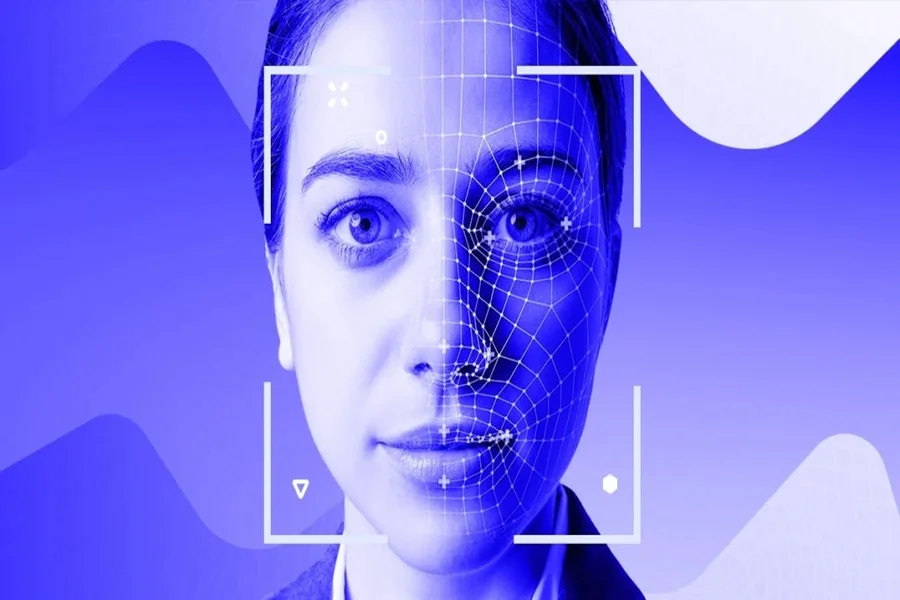
In today’s hyper-connected world, personal branding isn’t just for influencers and celebrities — it’s essential for professionals, creators, entrepreneurs, and anyone who wants to stand out online. But there’s a new player in the game: AI avatars. These digital personas are changing how we represent ourselves online, creating opportunities for visibility, consistency, and engagement that weren’t possible just a few years ago.
Let’s explore how AI avatars are reshaping personal branding, the real-world impact they’re having, and how you can leverage them strategically to enhance your online presence.
What Is an AI Avatar — And Why It Matters
Simply put, an AI avatar is a digital representation of a person that can speak, move, and interact in virtual spaces. Unlike static images or simple emojis, AI avatars can be highly customizable and animated in real time. They can be based on real likenesses, stylized to match your brand, or completely imaginative.
AI avatars matter because they fill a need that traditional branding — photos, logos, or text bios — cannot. They can:
- Convey personality and tone dynamically
- Engage audiences with movement and voice
- Represent individuals in virtual spaces like apps, meetings, and events
- Create immersive, memorable experiences that text and photos alone can’t
In many ways, AI avatars expand the “personal” in personal branding from a static headshot to an interactive presence.
The Rise of Digital Identity and Virtual Personas
In the last decade, our online identities have grown more complex and influential:
- Social media profiles shape first impressions
- Video content drives trust and relatability
- Virtual events create new stages for presence
- Online communities depend on recognizable, consistent identities
A 2023 survey by Deloitte found that digital engagement is a top priority for individuals building personal or professional influence, with 71% of respondents saying they’re investing more in online presence than ever before. Virtual representations — from simple avatars to nuanced digital personas — are emerging as a key part of that presence.
This trend aligns with the growth of immersive platforms like metaverse environments, virtual events, and interactive customer service agents. In virtual contexts, a traditional profile pic doesn’t cut it — people want something dynamic and expressive. That’s where AI avatars come in.
What Makes AI Avatars Powerful for Branding
AI avatars bring distinct advantages over traditional branding tools — visuals, static images, and video included. Below are key reasons they’re reshaping personal branding.
1. Increased Engagement Through Interactive Presence
Humans are naturally drawn to faces and movement. Research by MIT suggests that brains are wired to pay attention to social cues and facial expressions more than static content. AI avatars, animated and expressive, tap into this psychology.
Whether you’re hosting a webinar, creating a tutorial, or greeting visitors on your website, an AI avatar can capture attention far better than text or still images.
2. Consistency Across Platforms
AI avatars can be deployed in multiple contexts:
- Social media profiles
- Website banners
- Virtual meetings
- Online courses
- Automated responses and messages
A consistent digital persona builds familiarity and trust — core components of strong personal branding.
3. Lower Barriers to Content Creation
Not everyone loves being on camera. Shooting, editing, and publishing video content takes time and confidence. With tools that include an avatar maker, you can generate expressive, voice-enabled avatars that serve as your stand-in for video content or virtual interactions.
This democratises content creation, enabling professionals to communicate confidently without the stress of traditional video production.
4. Personalization at Scale
AI avatars can be customized to reflect your style, tone, and brand identity. From clothing and hairstyle to voice and mannerisms, these avatars can embody a brand persona that’s uniquely yours — helping audiences recognize and remember you.
How AI Avatars Are Being Used Today
AI avatars aren’t just futuristic concepts — they’re already being used in powerful ways across industries. Here are real use cases that illustrate their impact:
Personal Branding for Creators and Influencers
Many content creators use avatars in:
- YouTube videos
- Live streams
- Virtual meet-ups
- Profile animations
Avatars offer a blend of anonymity and personality. Creators who prefer privacy can use stylised AI avatars to build rapport without revealing their real face.
Professional Portfolios and Online Courses
Professionals launching online courses or digital workshops are using AI avatars as hosts or guides. This creates a sense of continuity throughout learning modules and can make your content feel more polished and engaging.
Customer Engagement and Support
Brands and entrepreneurs are deploying avatars in chatbots and support channels. For example:
- An educational expert might use an avatar to greet new students
- A consultant could use an avatar in automated FAQs
- A business owner may embed an avatar on the homepage to increase dwell time
AI Avatars in Virtual and Augmented Reality
As VR/AR spaces grow, so does the importance of virtual presence. AI avatars provide a human edge in virtual worlds, whether for networking events, exhibitions, or immersive experiences.
Psychology of Connection: Why Avatars Build Trust
Trust is the currency of personal branding. AI avatars enhance trust in several ways:
- Facial Recognition and Social Cues: Humans are wired to respond to faces. Avatars that mimic expression and movement feel more “alive” than static logos or stock photos.
- Consistency Builds Familiarity: Seeing the same avatar across channels strengthens memory and brand recall.
- Emotion and Tone: Voice-enabled avatars can convey warmth, enthusiasm, calmness, or authority — adding emotional nuance to your message.
Research shows that emotional engagement drives stronger brand loyalty. By giving your audience a consistent, expressive persona to connect with, you make them feel something — and emotion is what turns viewers into followers, and followers into advocates.
Actionable Tips for Integrating AI Avatars Into Your Brand
Ready to leverage AI avatars in your personal branding strategy? Here are practical steps to get started:
1. Define Your Brand Personality
Before creating an avatar, decide:
- Are you playful or professional?
- Serious or energetic?
- Minimalist or expressive?
Your avatar’s look, voice, and mannerisms should reflect your brand traits.
2. Match Your Avatar to Your Audience
Consider where your audience is most active:
- Prospects on LinkedIn? Choose a professional tone.
- Followers on TikTok? Try something more dynamic and fun.
- Clients on your website? Choose clarity and warmth.
3. Use Your Avatar Across Key Touchpoints
Deploy your avatar in places like:
- Website landing pages
- Video intros or outros
- Email signatures
- Online course intros
- Social media profile animations
Consistency is key.
4. Test, Measure, and Optimize
Track:
- Engagement metrics (clicks, watch time)
- Time spent on page
- Conversion rates on avatar-enhanced pages vs. standard pages
Data will tell you what resonates — and where there’s room for improvement.
Common Mistakes to Avoid
AI avatars are powerful, but they can fall flat if used incorrectly. Avoid these pitfalls:
Overly Complex Design
If your avatar is too busy or distracting, people will focus on the design — not your message.
Ignoring UX Context
An avatar should support your message, not replace functional elements like CTAs or headlines.
Mismatched Tone
An overly serious avatar in a playful setting (or vice versa) creates cognitive dissonance. Match context and personality.
The Future of Personal Branding With AI Avatars
Looking ahead, AI avatars will become even more integrated into how we express identity online. We can expect:
- Real-time avatar interactions in live streams
- Emotionally adaptive avatars that change tone based on audience reaction
- Avatar assistants that handle routine communication
- Cross-platform digital personas that remain consistent in VR/AR, web, and mobile
The line between physical and digital presence is blurring — and AI avatars are at the forefront.
Final Thoughts
AI avatars are no longer a novelty. They’re a strategic tool for personal branding in the digital age — giving individuals the opportunity to present themselves consistently, creatively, and memorably across channels.
Whether you’re a solopreneur, educator, creator, or executive, incorporating an AI avatar into your brand ecosystem helps you stand out in crowded digital landscapes. By bringing personality, emotion, and dynamism to your online presence, you’re not just telling your audience who you are — you’re showing them.