

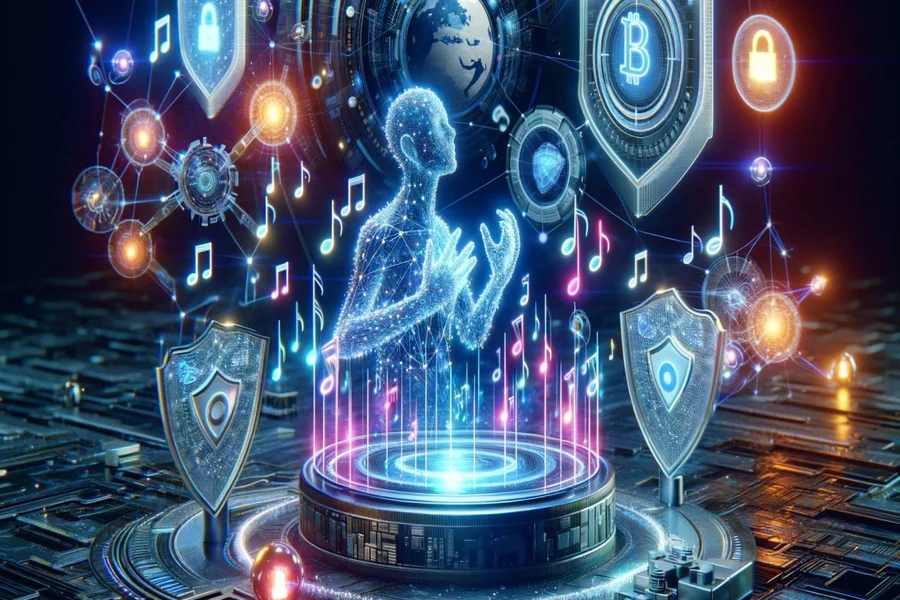
Music has always been changing. Strings turned into electronic sounds, cassettes turned into playlists, and huge studio setups became laptops on kitchen counters. Now, in 2025, a new shift has arrived. It feels more personal and hands-on, giving more power to creators at all skill levels. With tech like smart tools that adapt to your playing style and blockchain systems that secure creator rights, the approach to making, sharing, and valuing music is being reshaped.
Smart Instruments Act as Creative Collaborators
Ten years back, “smart instruments” sounded like something from the future. Now, they’re right at home in living rooms, music studios, and even schools. Keyboards, guitars, and drum pads equipped with AI do a lot more than just help you hit the right notes. They notice how you play, figure out where you shine, and help you get better at the spots you struggle with.
Think about playing a few chords on your keyboard and it tossing out harmonies or tweaks that match your vibe. Or imagine a guitar that writes down tabs for the riff you just made up, cutting out hours of work. These tools don’t replace your creativity, though. They help you take those first little ideas and build them into full songs.
To begin learning, smart instruments work like patient guides. To master the craft, they act as creative partners who keep experimenting without running out of energy. This change makes creating music easier, and new ideas flourish.
AI Partners Are Changing How Writing Happens
By 2025, AI is no longer just creating simple beats or loops; it already became a writing partner. Today, music composition apps let users input a mood, a genre, or even a hummed tune, and the AI turns it into detailed arrangements. What once needed a full studio can now grow from a small idea recorded on your phone.
Music producers now rely on AI to create new versions of songs, try out fresh chord patterns, or play around with intricate sound layers that would take a lot of time to make by hand. When songwriters feel stuck, they turn to AI for help. It acts almost like a creative partner, suggesting new ideas and pushing them to explore fresh angles.
The amazing thing is that AI doesn’t take away the emotional depth of music. Instead, it helps artists overcome technical hurdles, letting them focus more on crafting their stories, sharing their feelings, and showcasing their unique talent.
The Future of Music Feels More Personal Than Ever
It’s kind of amusing, but as tech gets more advanced, music in 2025 feels even more personal. Smart instruments boost creativity, while AI fuels new ideas. Immersive tech lets fans feel closer to their favorite artists. Meanwhile, blockchain hands musicians more control over their own careers.
Even with all these new tools, the soul of music, its emotion, its connections, and the way it tells stories, stays unchanged. In fact, tech is making these things stand out even more.
As we dive further into this digital age, one thing is obvious: the future of music isn’t about the machines. It’s about giving more power to the people who make it.