

For many musicians, the idea of taking your own instruments and gear on tour sounds romantic. You know your equipment inside and out, you’ve customized it to your playing style, and it feels like an extension of who you are on stage. But when the realities of travel set in—flights, long drives, venue load-ins, and the constant risk of damage—many artists start to see why relying on backline instruments is often the smarter move.
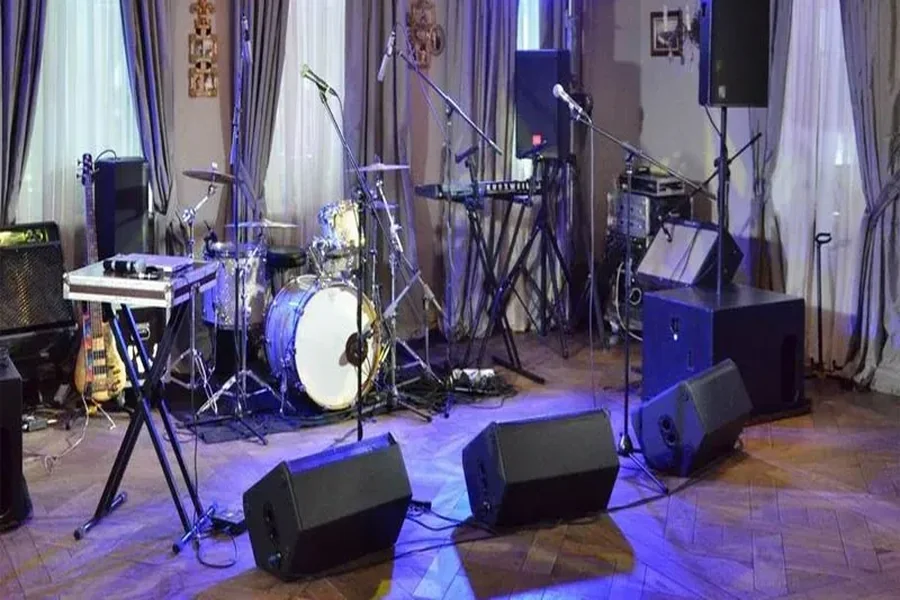
Backline refers to the stage-ready gear provided at the venue or through a rental company, such as drum kits, guitar amps, bass rigs, keyboards, and sometimes even pedalboards. For touring artists, especially those covering long distances or hopping between countries, this approach removes a huge logistical headache. Here’s a closer look at why using backline instruments makes touring easier and how it compares to hauling your own gear across the map.
Avoiding the Travel Hassle
Flying with large, heavy, or fragile gear can be a nightmare. Airlines treat instruments like oversized baggage, which often means extra fees, weight limits, and strict packing requirements. Even with a hard case, there’s no guarantee your guitar or drum kit will survive baggage handling without a scratch.
Backline gear eliminates this stress entirely. Instead of worrying about whether your equipment will arrive on time—or arrive in one piece—you can fly with just your personal essentials like guitars or smaller instruments while knowing the venue has the rest covered. For international tours, where customs inspections and import paperwork can create delays, using locally sourced backline gear can save days of frustration.
Lower Transportation Costs
Touring budgets are always tight, and moving heavy gear from city to city isn’t cheap. The cost of renting a larger van or trailer, paying extra fuel expenses, and possibly hiring extra crew just to handle the gear can quickly add up. If you’re crossing borders, you may also need to pay for temporary import permits or taxes.
By using backline instruments, you can travel lighter and fit everything into a smaller, more affordable vehicle. For fly-in gigs, you avoid airline baggage fees for oversized or overweight equipment, which can run hundreds of dollars per leg. These savings can go straight back into your tour budget, whether that’s for better accommodations, marketing, or simply putting more money in your pocket.
Less Wear and Tear on Your Own Equipment
Touring is hard on gear. Constant loading and unloading, temperature changes, humidity, and vibrations from travel all take a toll. Even the best road cases can’t prevent the gradual wear and tear that happens when your equipment is constantly in motion.
By renting or using venue-provided backline gear, you protect your personal equipment from this abuse. Your main drum kit, amps, and keyboards can stay in your home studio or rehearsal space, ready for recording or local gigs in pristine condition. Meanwhile, the backline gear takes the beating that comes with life on the road.
Faster Setup & Soundcheck
Every minute saved during setup is a minute you can use for soundcheck, rest, or connecting with fans. When you carry your own gear, you’re responsible for unpacking it, setting it up, and getting it dialed in before the show. With backline gear, much of this work is already done—the equipment is in place, power is ready, and all that’s left is fine-tuning settings to your preference.
Many venues that provide backline also have in-house techs who are familiar with the equipment. This can speed up troubleshooting if something isn’t working right. For multi-band lineups, shared backline means fewer full changeovers, which keeps the show running smoothly and on schedule.
Consistency Across Venues
One of the biggest concerns artists have about backline is whether they’ll get consistent quality from venue to venue. While there’s always some variation, reputable venues and rental companies work hard to keep their gear in good condition. For bigger tours, artists often send a specific backline “rider” in advance, listing their preferred brands, models, and setups.
This means that in city after city, you can step on stage to a drum kit that matches your preferred configuration or a guitar amp that responds the way you expect. You’re not starting from scratch every night, and you can adapt more easily to the gear you’re provided.
Easier Logistics for Multi-City Tours
When your tour covers multiple cities in quick succession, moving your own gear between shows can become a scheduling challenge. Overnight drives, delayed flights, and unpredictable traffic all eat into load-in time. If your equipment is traveling separately—such as in a truck or trailer—it can be delayed or even lost.
Using backline gear means you can fly or travel directly to the next city with minimal baggage and know that your gear will already be there waiting for you. For some tours, especially those with back-to-back shows in different regions, this can be the difference between arriving relaxed and ready to perform versus showing up late and stressed.
Flexibility for International Tours
International touring brings its own challenges—customs regulations, carnet paperwork, and varying electrical standards. A guitar amp that works perfectly in the U.S. might need a voltage converter in Europe, and not all equipment travels well through these changes.
With backline rentals from local companies, you get equipment designed to work in that country’s electrical system. You also avoid the headaches of clearing gear through customs, which can delay your tour schedule or result in extra fees. For musicians traveling through multiple countries, this kind of flexibility is invaluable.
Reduced Risk of Theft or Loss
Touring bands have countless stories of stolen gear. Whether it’s from a van parked outside a hotel or a trailer broken into at a rest stop, the loss of personal instruments can be devastating both financially and emotionally.
By relying on backline gear, you limit what you need to transport and store overnight. Your most valuable instruments—like a favorite guitar or bass—can stay with you, while the bulk of the gear is provided at the venue. If something were to go missing, it’s more likely to be rental gear that can be replaced, not a one-of-a-kind instrument you’ve owned for years.
Keeping Energy for the Performance
Touring is physically exhausting. Long drives, late nights, and minimal sleep can drain your energy before you even hit the stage. Carrying heavy cases, setting up complex rigs, and breaking everything down afterward only add to the fatigue.
Backline gear lightens the workload so you can focus on what matters most—delivering a great performance. When you’re not physically worn out from hauling equipment, you have more energy to engage with the audience, move around the stage, and put on the kind of show fans remember.
When Carrying Your Own Gear Still Makes Sense
While backline has many advantages, there are times when carrying your own equipment is worth it. Highly specialized instruments, vintage gear with a unique tone, or pedalboards with intricate setups may be irreplaceable for certain musicians. In these cases, artists often travel with those key pieces while relying on backline for the rest.
For example, a guitarist might bring their own pedalboard and guitar but use a locally rented amp. A drummer might travel with snare, cymbals, and pedals while using a backline drum kit. This hybrid approach keeps the essentials consistent while still reaping the logistical benefits of backline gear.
The Bottom Line
Touring is a balancing act between bringing the gear you love and making the travel as smooth as possible. For most artists, backline instruments offer a clear path to less stress, lower costs, and better efficiency on the road. Instead of spending your energy on transportation logistics, you can focus on your setlist, your performance, and your fans.
Whether you’re playing small clubs, large festivals, or a string of corporate gigs, the convenience of walking into a venue and finding your gear ready to go is hard to beat. And when you can leave a show with nothing more than a guitar case or a backpack, you’ll quickly understand why so many touring musicians have embraced the backline approach.
The next time you’re planning a tour and don’t want to carry all of your musical instruments with you, look up a list of the best backline instrument providers in the city or cities you’re planning to visit. It will make the whole process of touring much smoother.